How to Spot a Radiator Leak Before It Damages Your Engine: A Chicago Guide
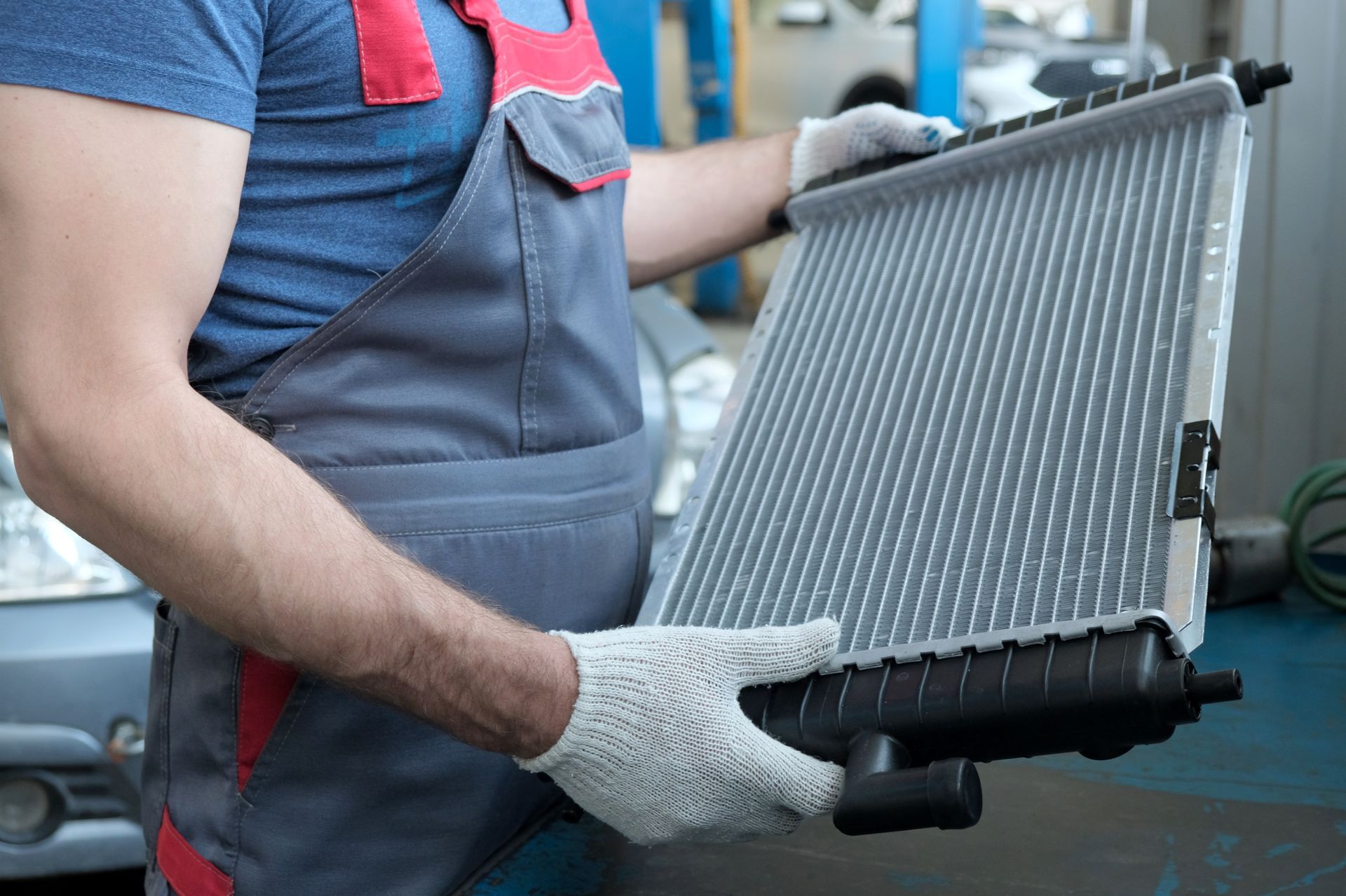
A radiator leak almost always starts small, a weeping seam or a slow drip, well before it turns into a roadside breakdown. Spotting it early is the difference between a quick fix and an overheated engine and a repair bill many times larger. Rex Radiator is a Bensenville-based radiator shop that has served Chicago and the greater metro since 1909, and this guide explains how to catch a leak, what causes them, and why a proper repair beats a bottle of stop-leak.
Signs You Have a Radiator Leak
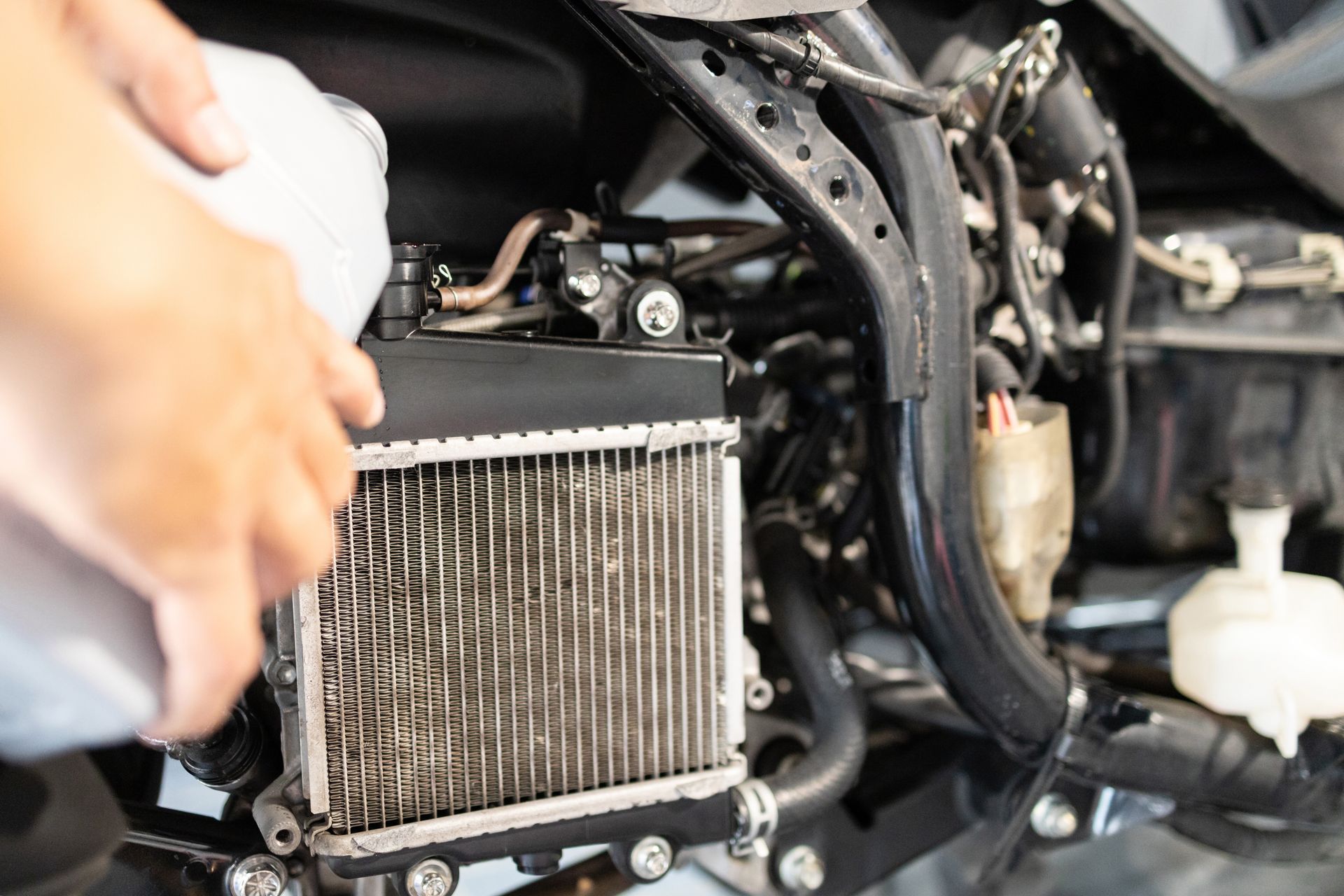
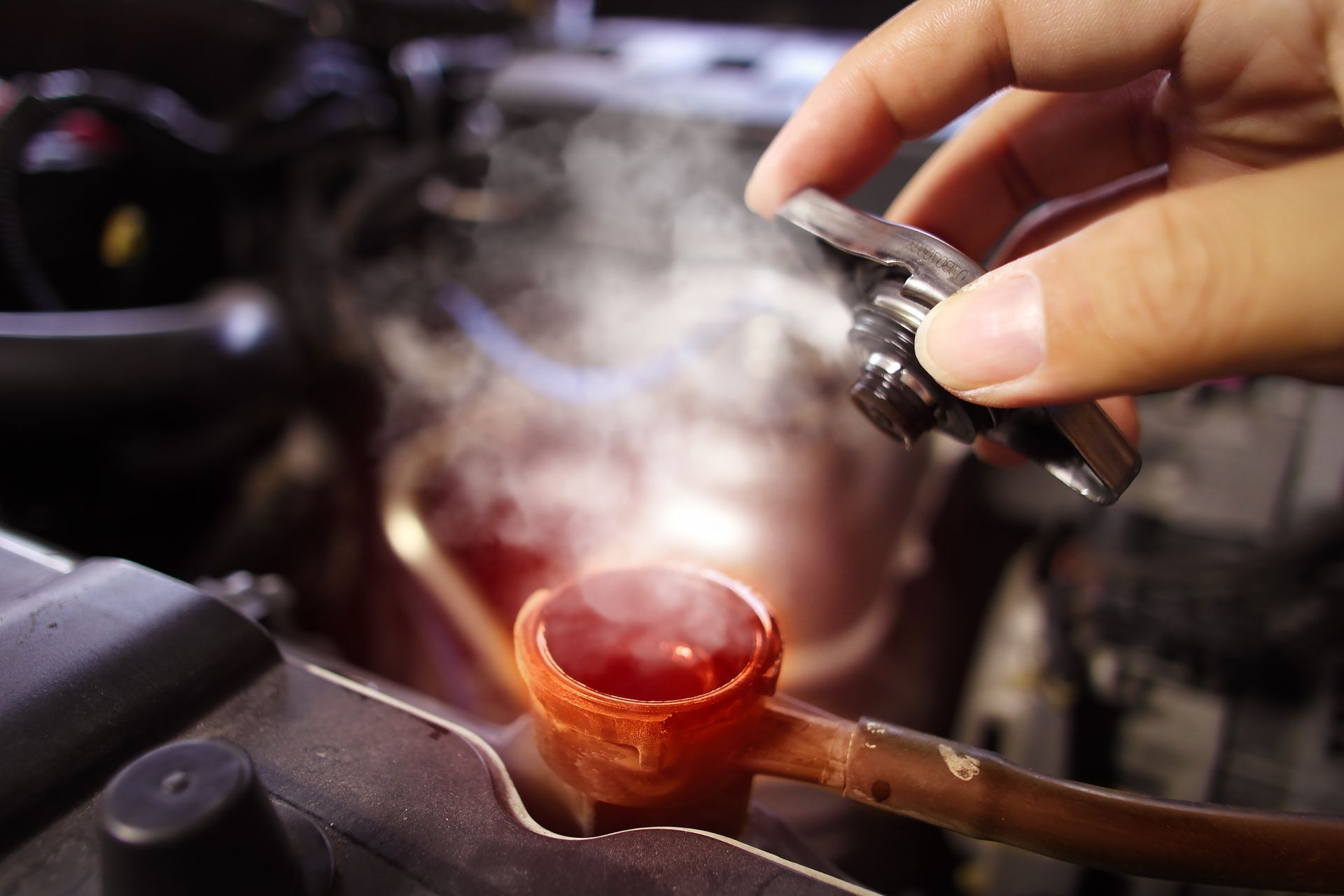
The most obvious sign is colored fluid under the front of your car, usually green, orange, or pink and slightly sweet-smelling. You may also see white or rust-colored residue dried around the radiator tanks and seams, where coolant has escaped and evaporated. Inside the car, a low coolant warning that returns days after you refill the reservoir is a strong hint that fluid is escaping somewhere. If the leak is large enough, you will notice the temperature gauge running hot and possibly steam from under the hood.
What Causes Radiator Leaks
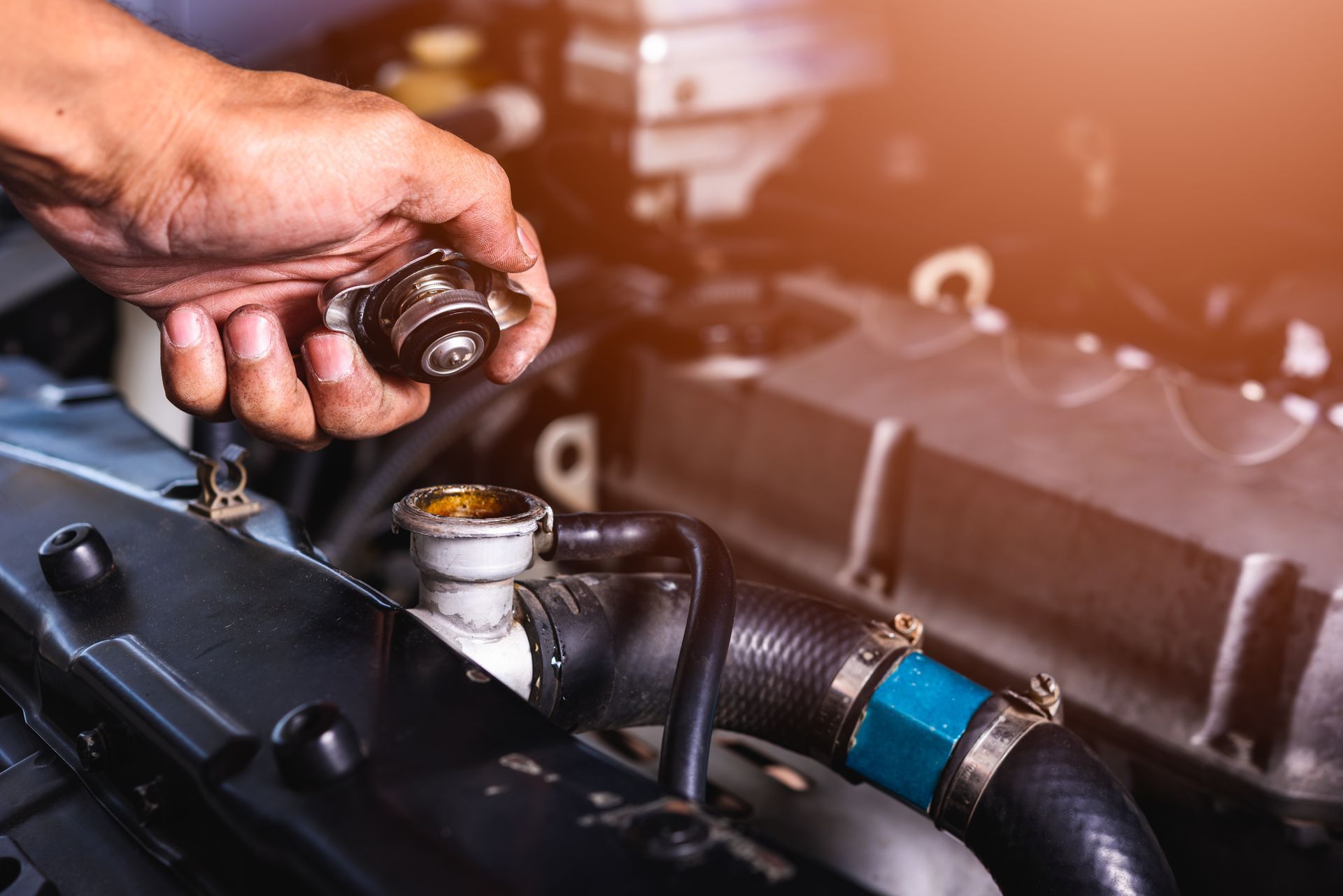
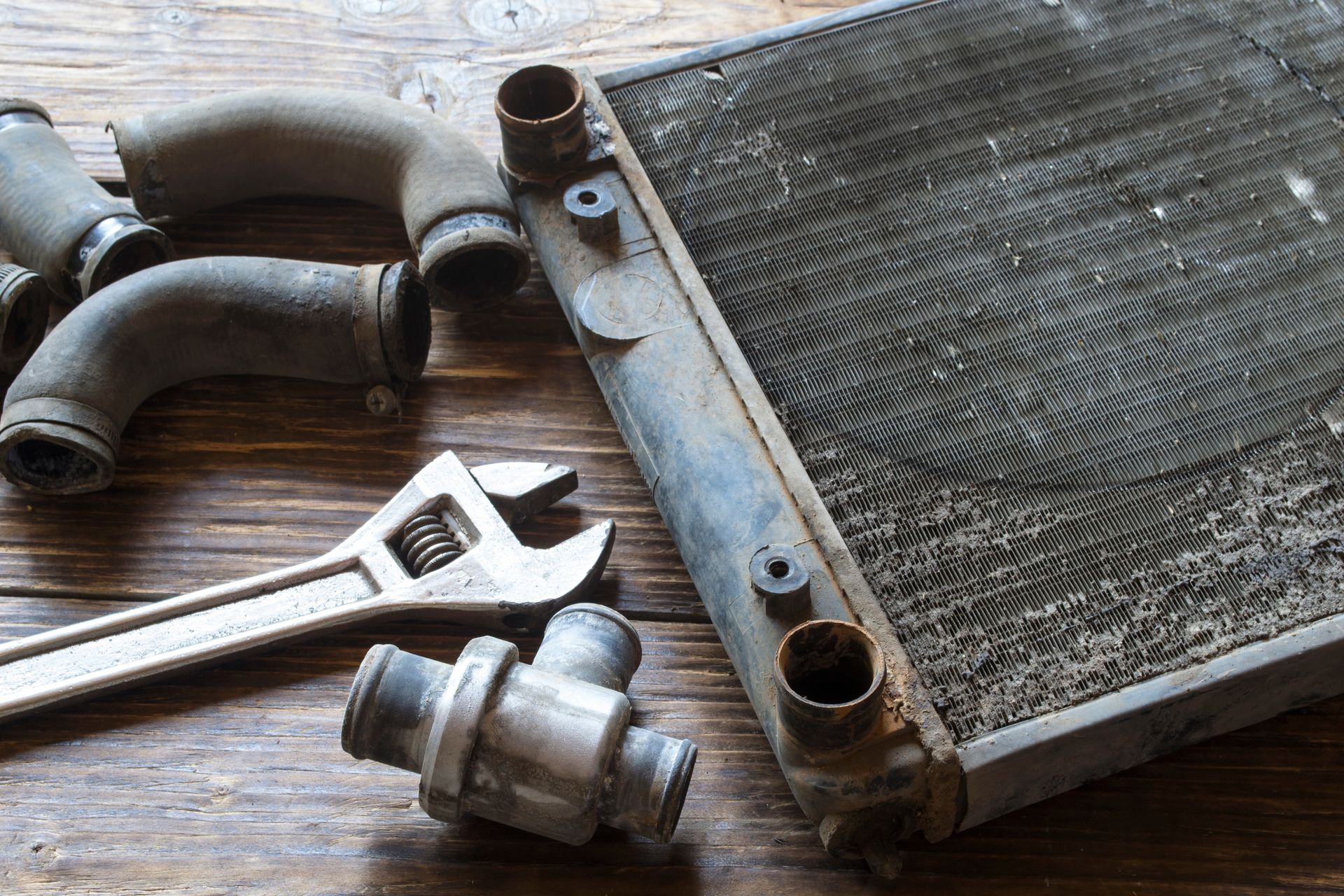
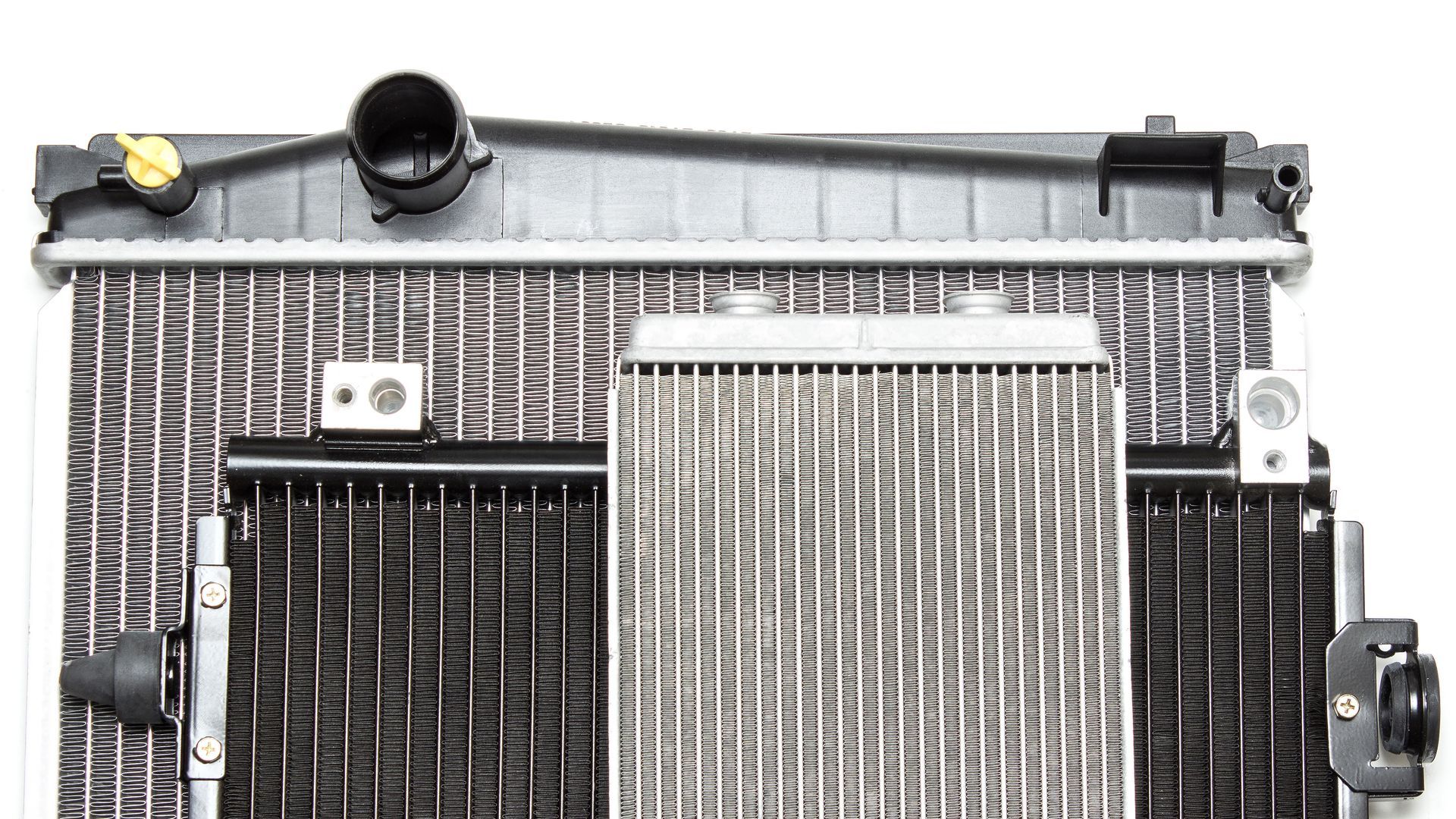
Most leaks trace back to a few sources. Plastic tanks crack from years of heat cycling and become brittle with age. Metal tanks and cores on trucks and older vehicles corrode from the inside out. Road debris can puncture the core, and Chicago's freeze and thaw cycles pry open seams that were already weakening. A worn radiator cap or a tired hose clamp can also mimic a radiator leak while the radiator itself is fine, which is why proper diagnosis matters.
Why Stop-Leak Is Only a Temporary Fix
Stop-leak products can slow a small drip for a short time, but they work by clogging the leak from the inside, and that same material can restrict the narrow passages in your core and heater. Drivers who lean on it often trade a minor leak for a clogged cooling system a few months later. It is a way to limp to a shop, not a repair.
How We Repair Radiator Leaks
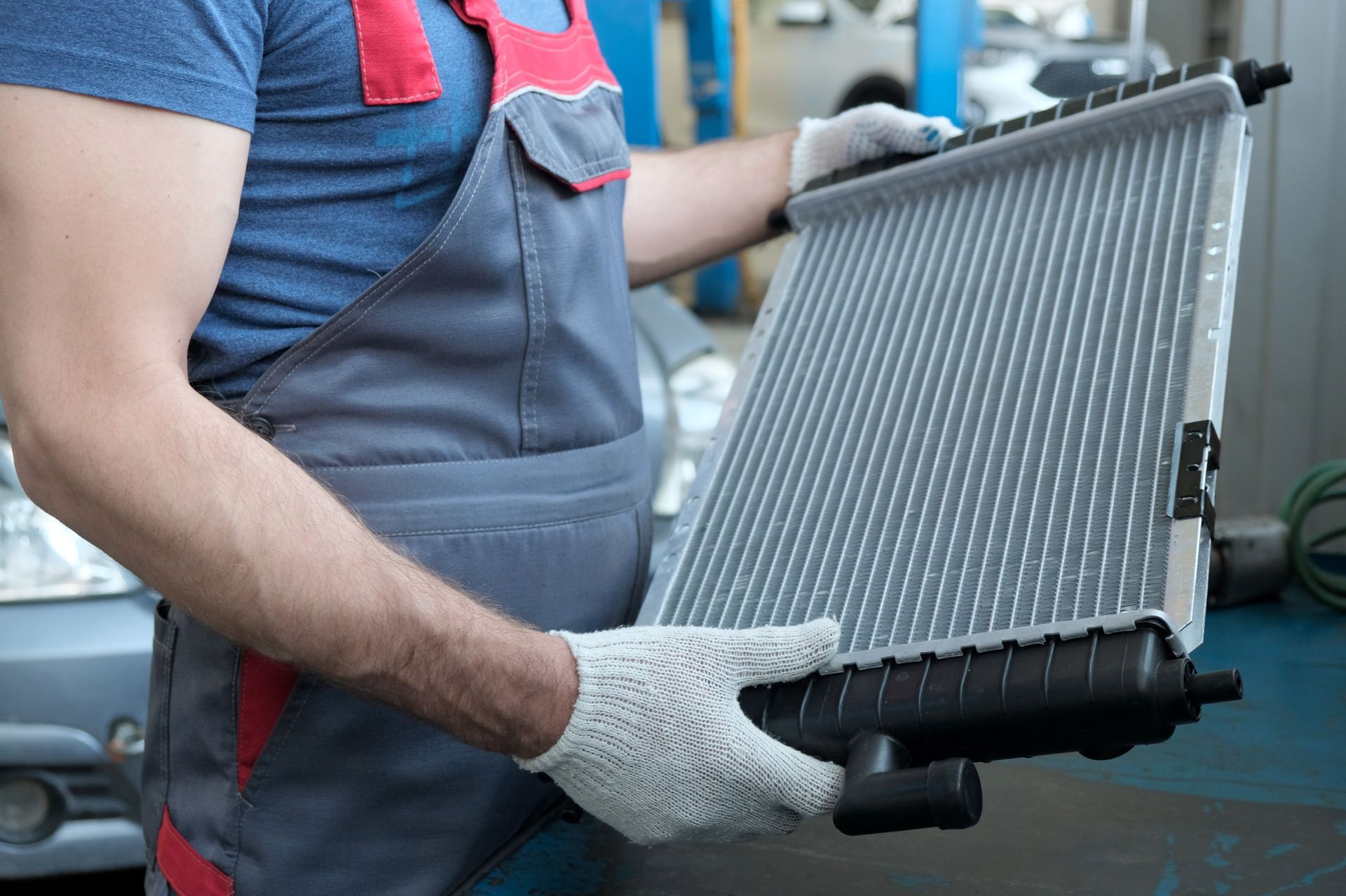
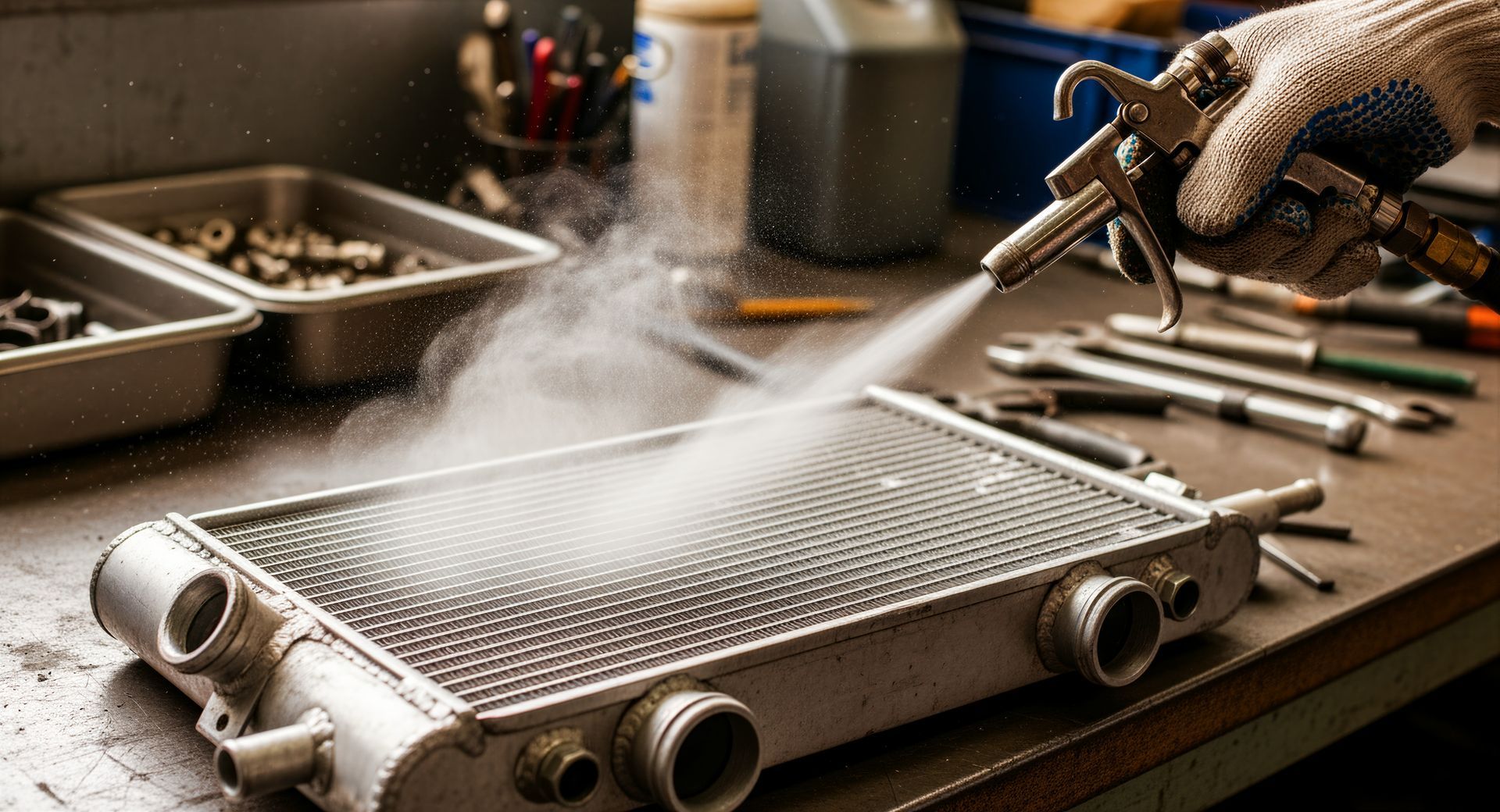
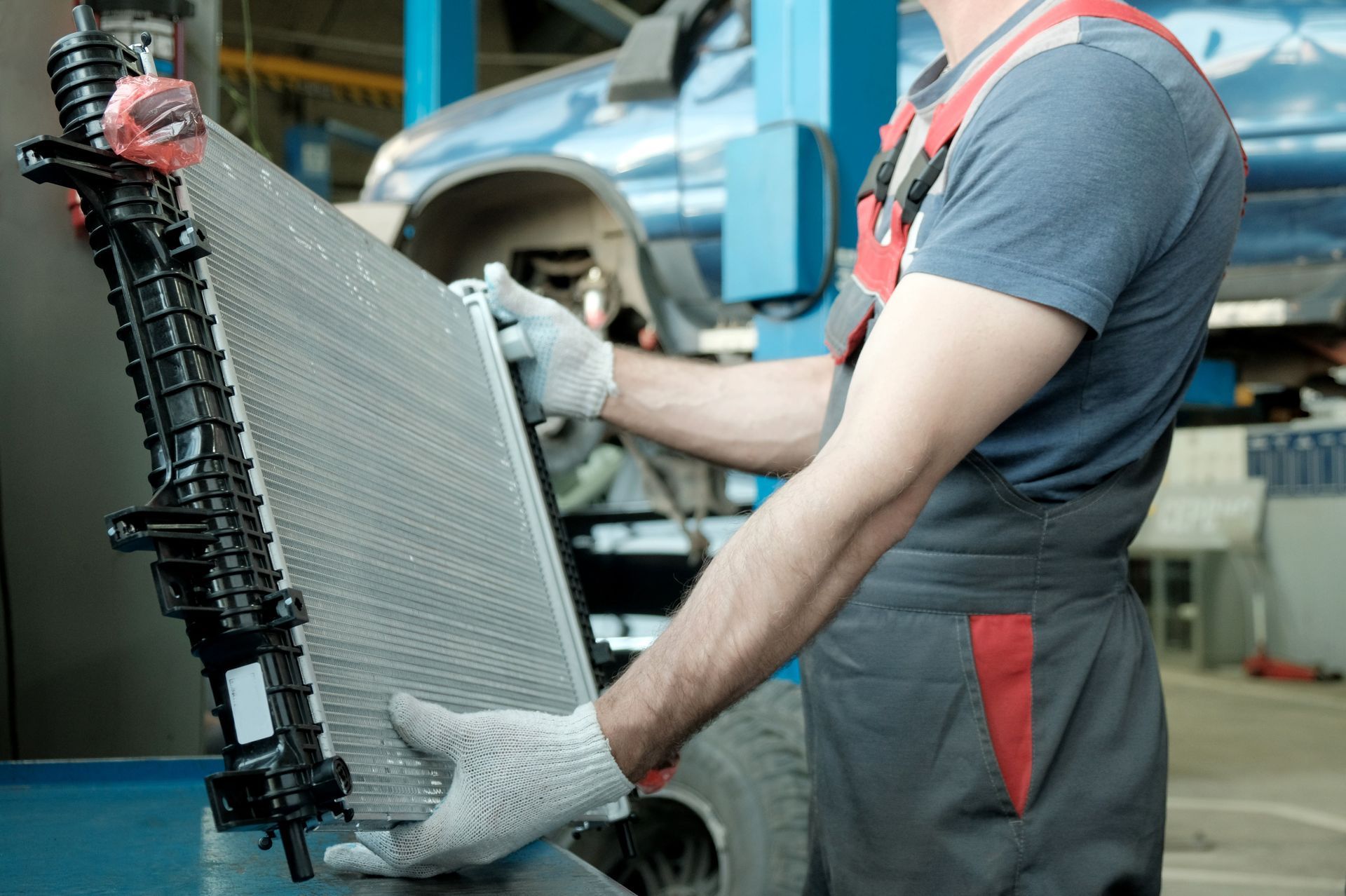
We start with a pressure test to find exactly where the system is losing coolant, then inspect the core, tanks, and connections. From there we seal or weld the damaged area, replace a failed cap or hose, or recore the radiator when the core is the problem. When the leak is isolated to a cracked tank, we can often handle it with a targeted radiator tank repair instead of replacing the whole unit. Every repair is pressure-tested again before it leaves, and new parts carry a one-year warranty. Leak repair is one part of the full auto radiator repair service we provide for cars, trucks, and heavy equipment.
Catch It Early and Save Your Engine
A radiator leak only gets more expensive the longer it runs. If you have spotted any of the signs above, call our Bensenville shop at
630-595-4664 or
contact our team to schedule a leak inspection. You can also review the services offered at our
Chicago location before you come in.