Radiator Tank Repair Service in Chicago, IL: Signs, Causes, and What to Expect
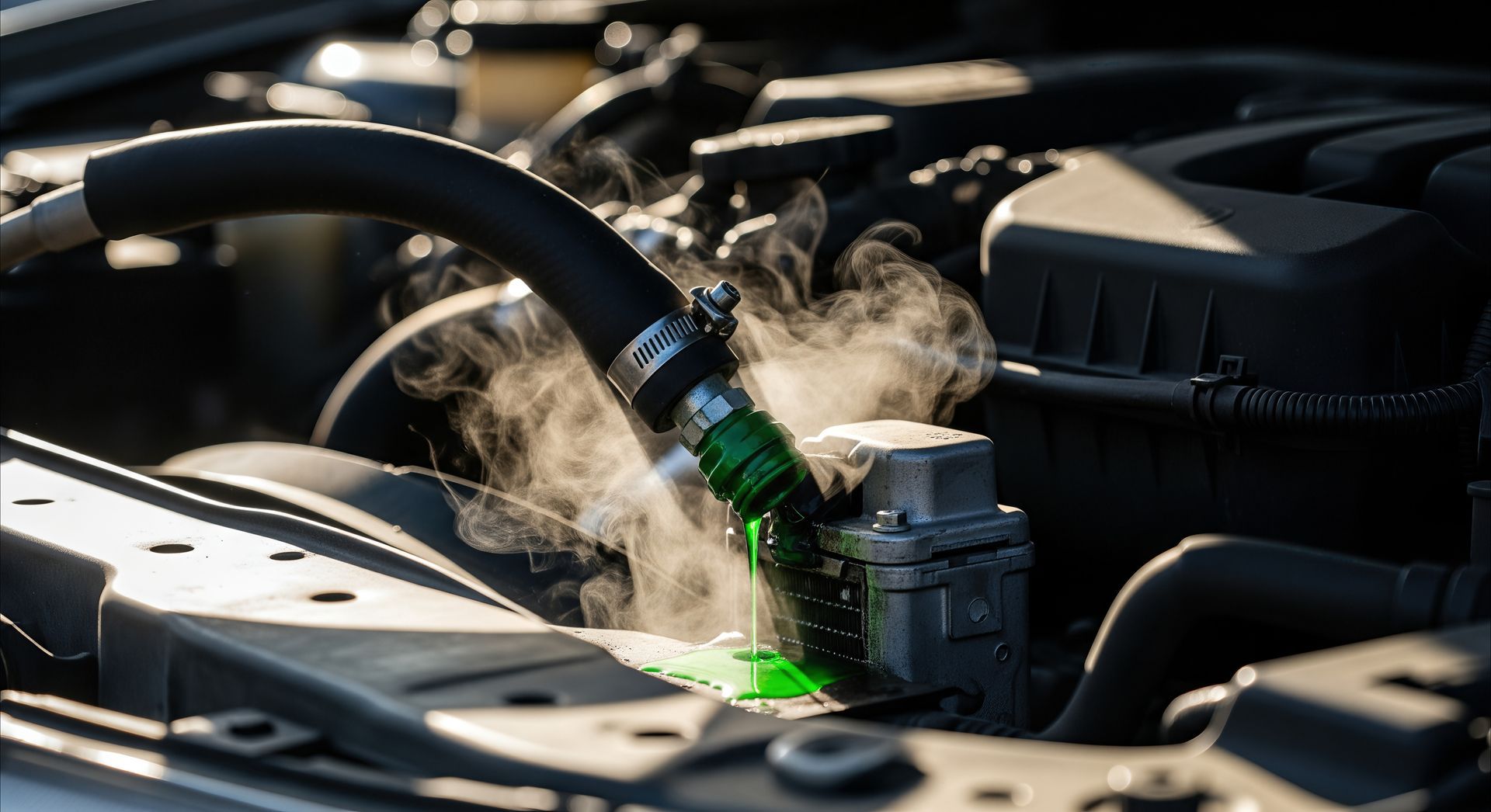
A small crack in a radiator tank can quietly drain your cooling system before you notice a single warning sign. For Chicago, IL drivers and fleet operators dealing with stop-and-go traffic, heavy loads, and wide seasonal temperature swings, radiator tank damage is one of the more common cooling system failures that gets ignored until the engine overheats. This post covers what causes tank damage, what to watch for, and what the repair process looks like at Rex Radiator's shop at 1440 W. 38th St.
What Causes Radiator Tank Damage?
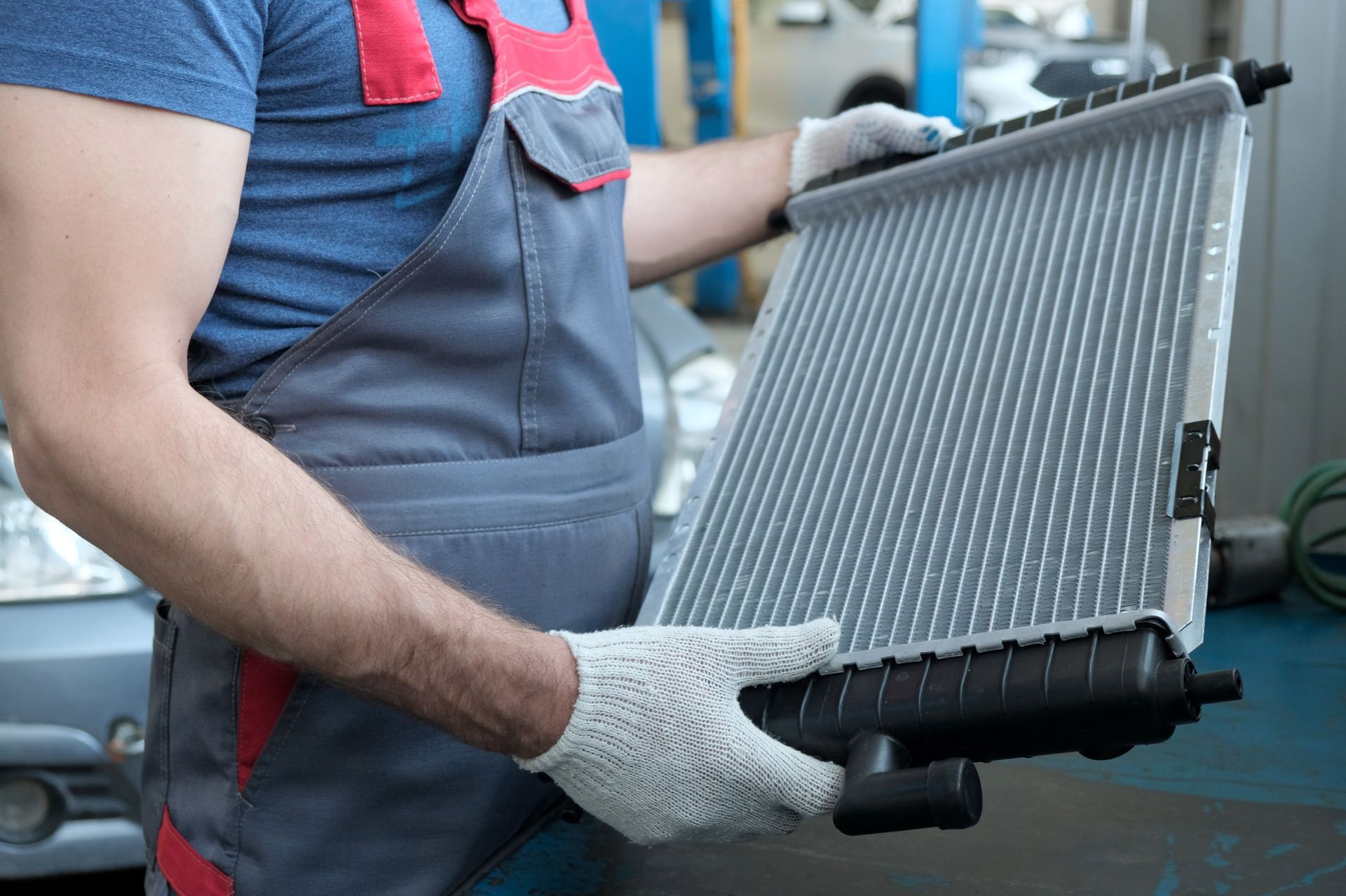
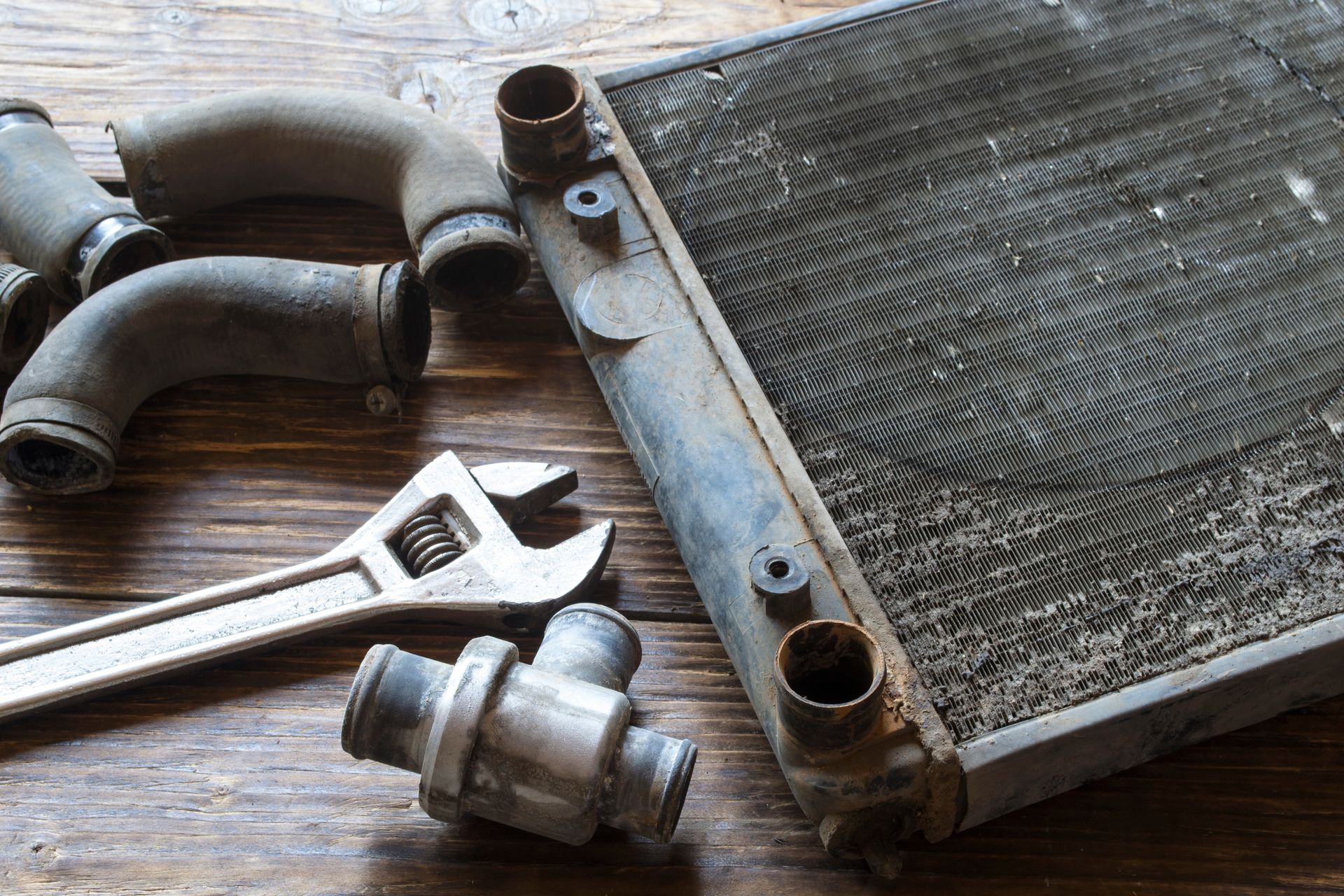
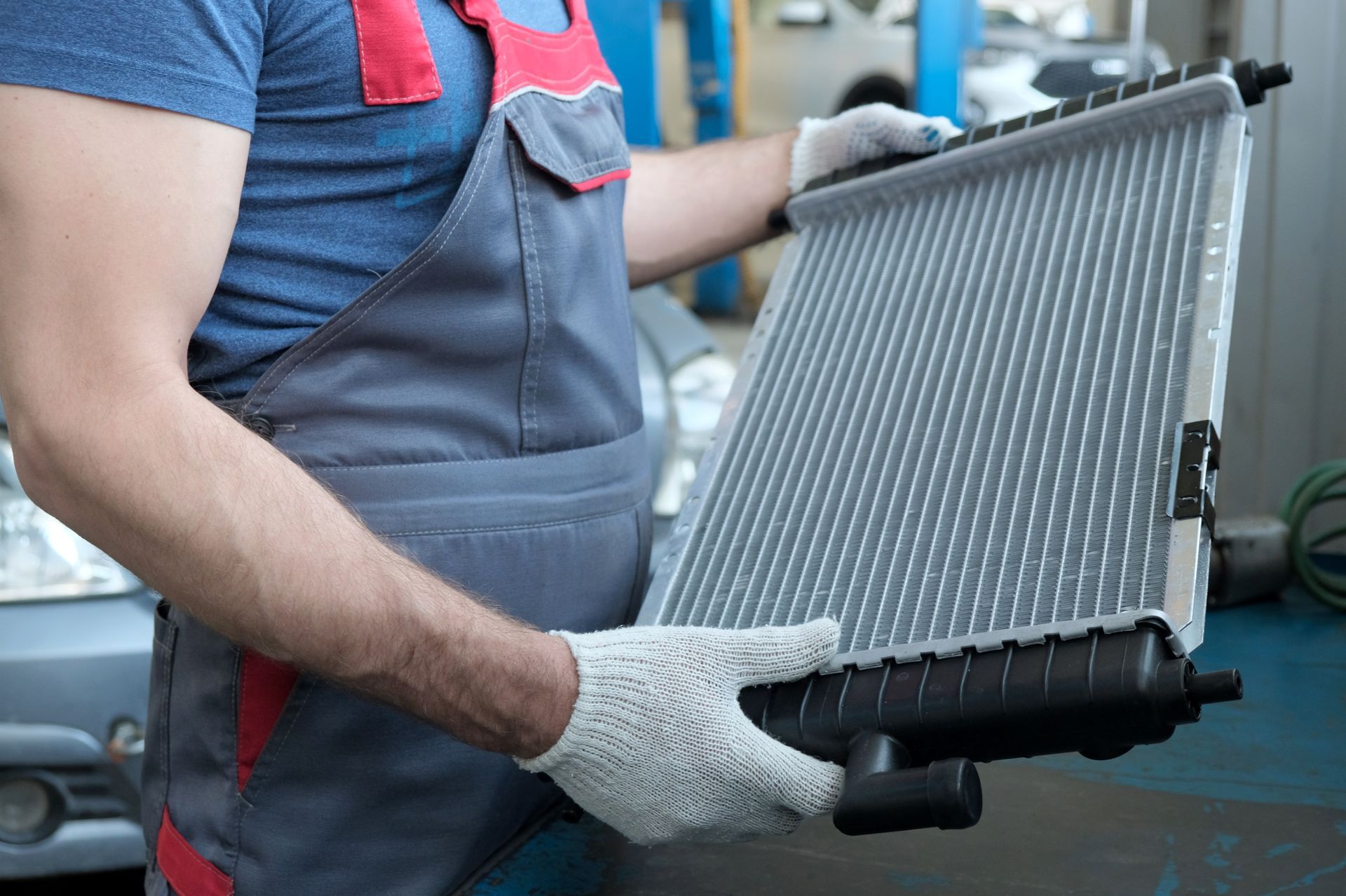
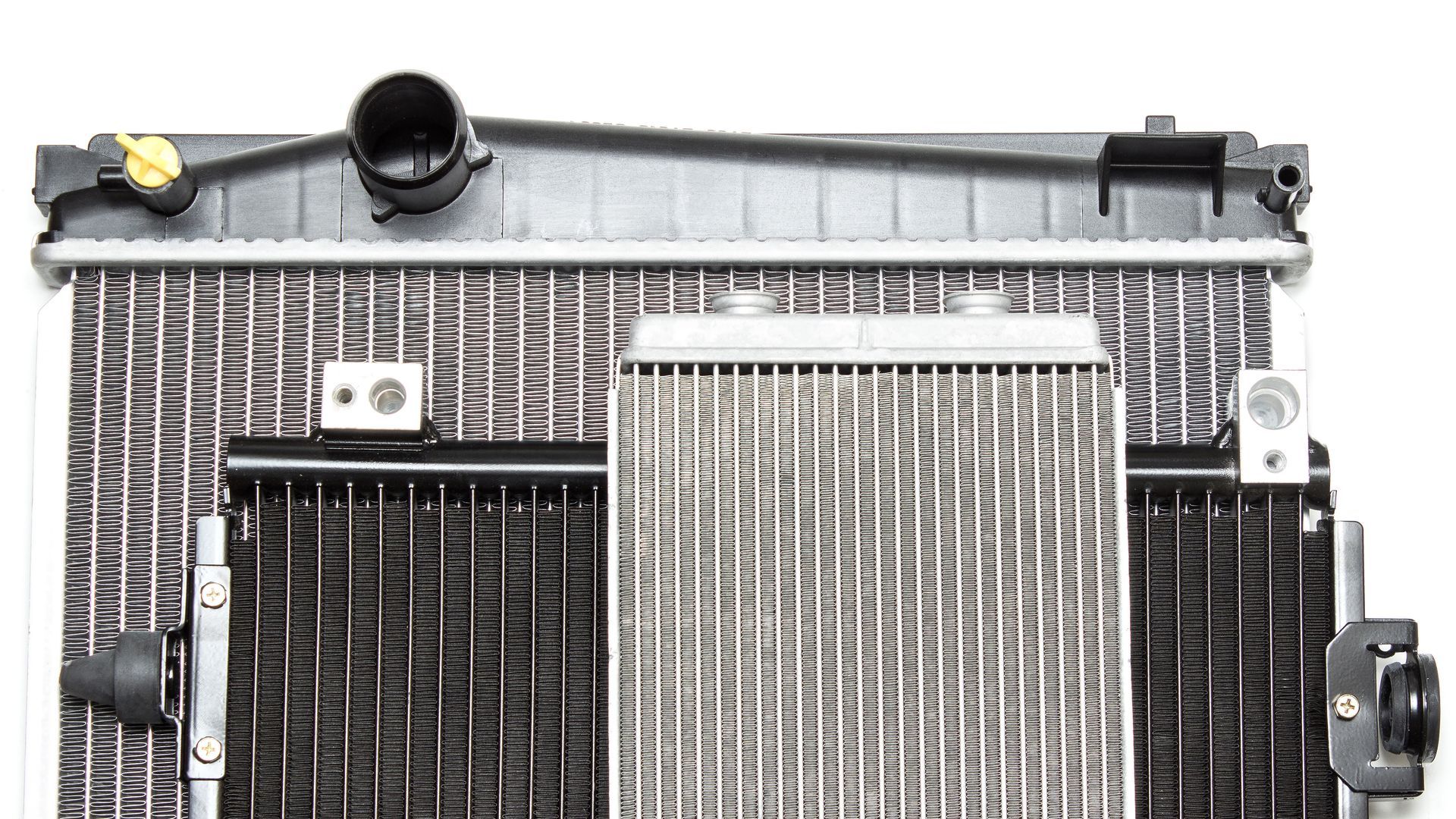
Radiator tanks fail for a few consistent reasons. Plastic tanks, which are standard on most modern passenger vehicles and light trucks, break down from repeated heating and cooling cycles. Over time, the plastic becomes brittle and develops cracks at corners, near mounting points, or along the seam where the tank joins the core. Chicago winters followed by summer operating heat accelerate this process considerably.
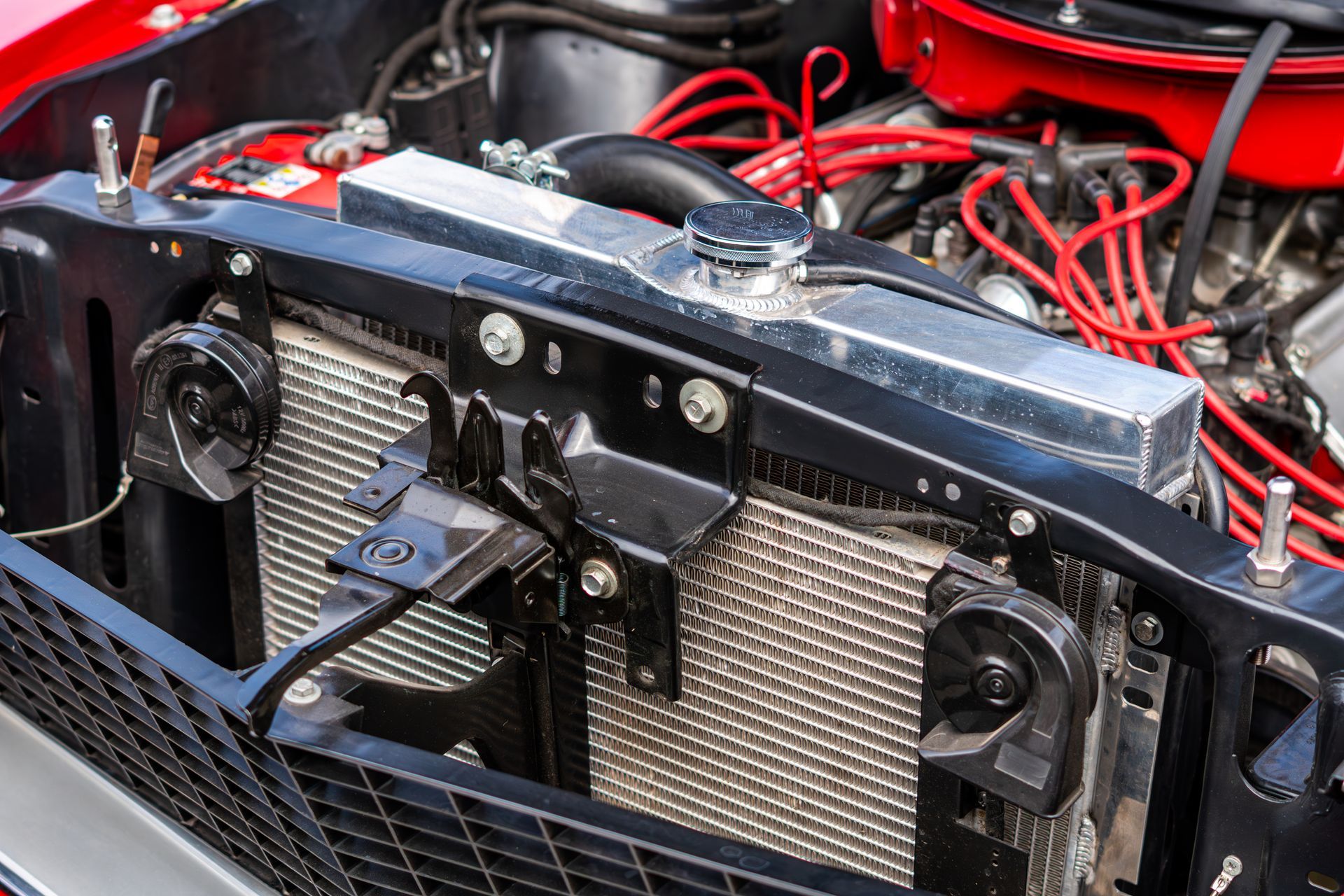
Metal tanks on trucks and industrial equipment fail differently. They develop corrosion on the interior surface and fatigue cracks at welded seams, particularly on vehicles running continuous heavy-load cycles. Coolant that has not been flushed on schedule makes both failure types more likely by turning acidic and attacking tank material from the inside out.
Signs Your Tank Needs Attention
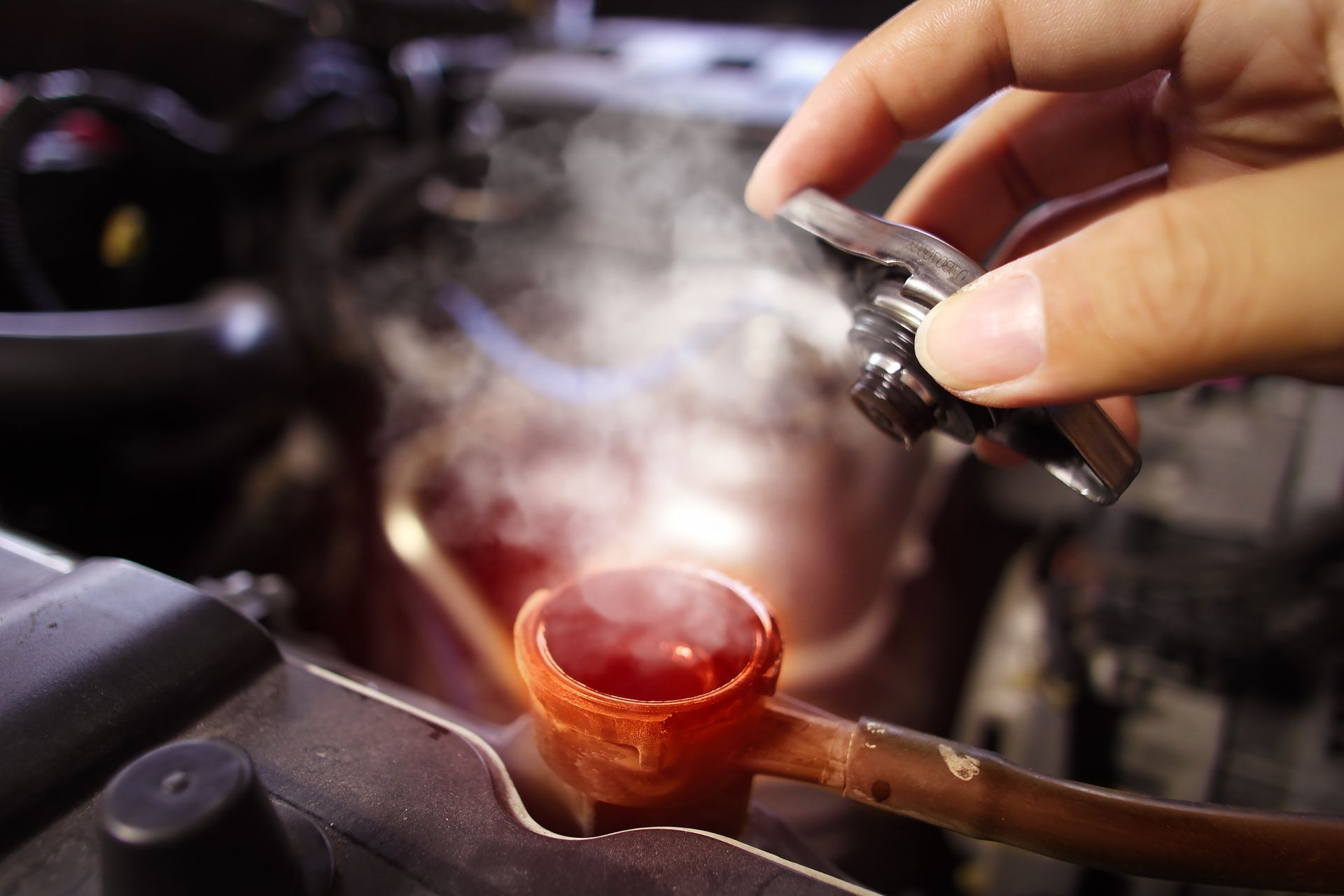
The most obvious sign is visible coolant pooling under the vehicle after parking, but tank leaks are often smaller than that at first. Watch for a low coolant warning light that reappears within a few days of refilling, a sweet smell from the engine bay, white residue around tank seams, or a temperature gauge that runs warmer than normal under regular driving conditions.
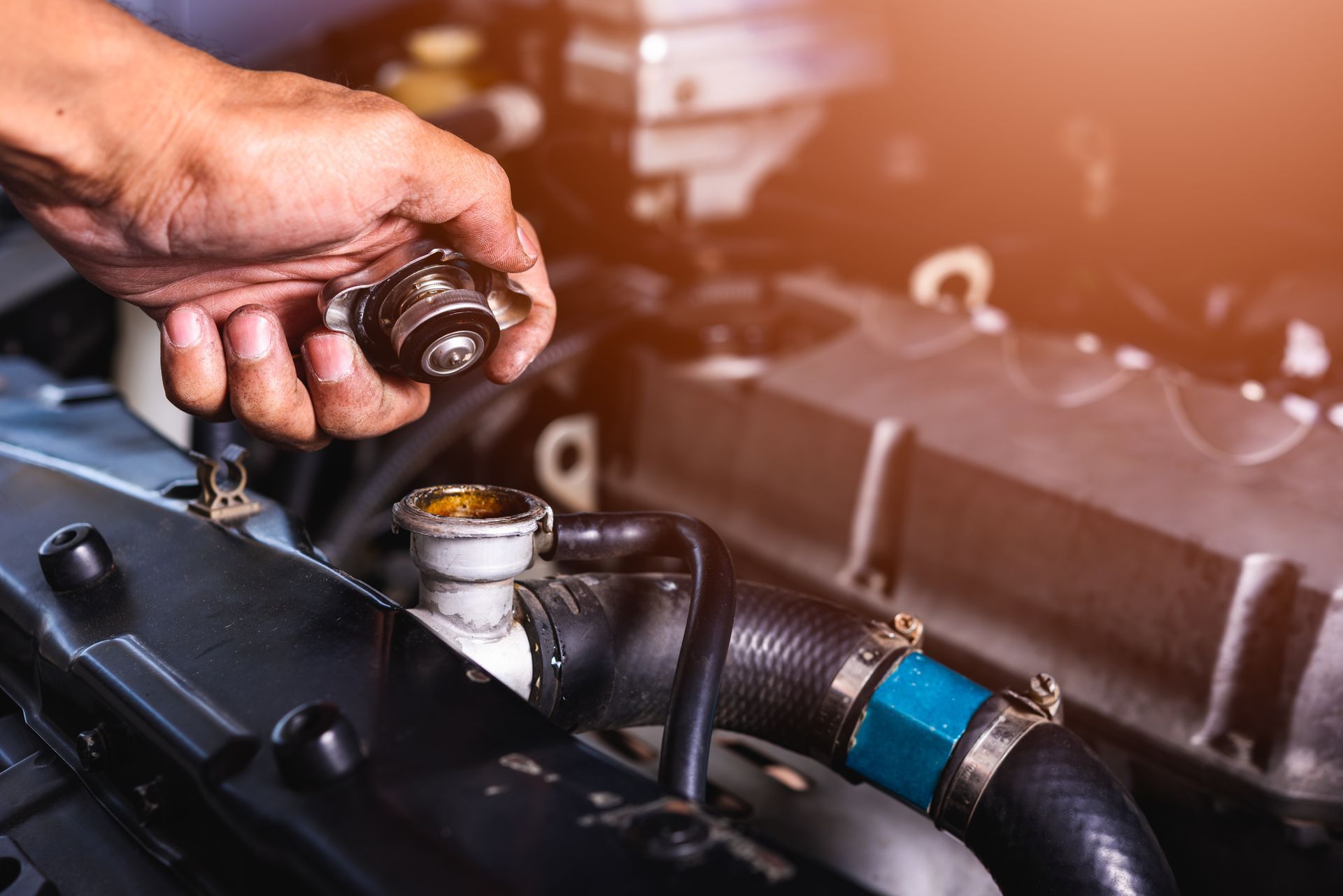
Overheating that only occurs under load or in heavy traffic is also a pattern worth investigating. These symptoms do not always point to a tank problem specifically, but a pressure test will confirm whether the tank is holding. Rex Radiator performs that diagnostic at our Chicago radiator shop before any repair work is recommended.
What Radiator Tank Repair Involves
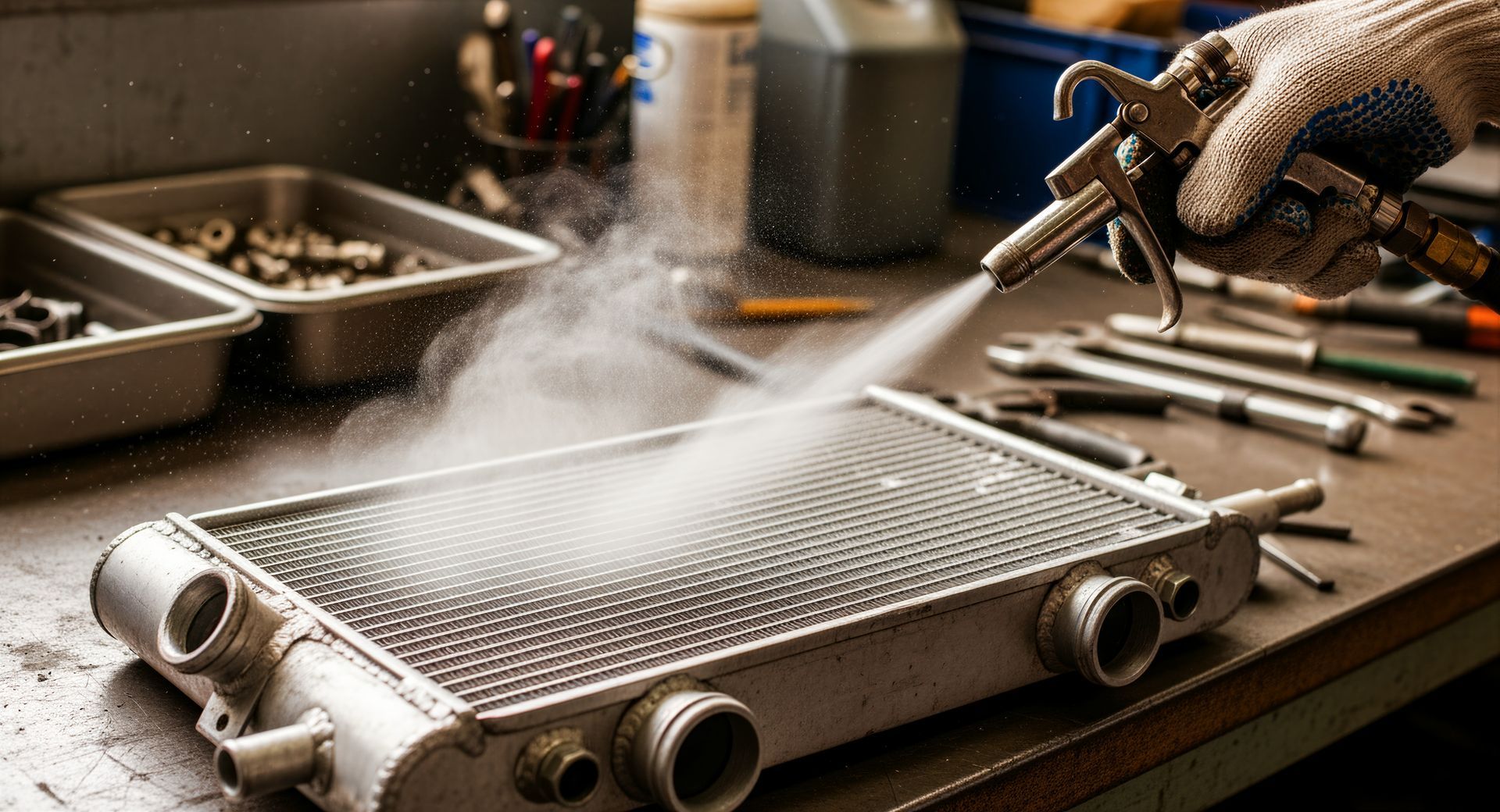
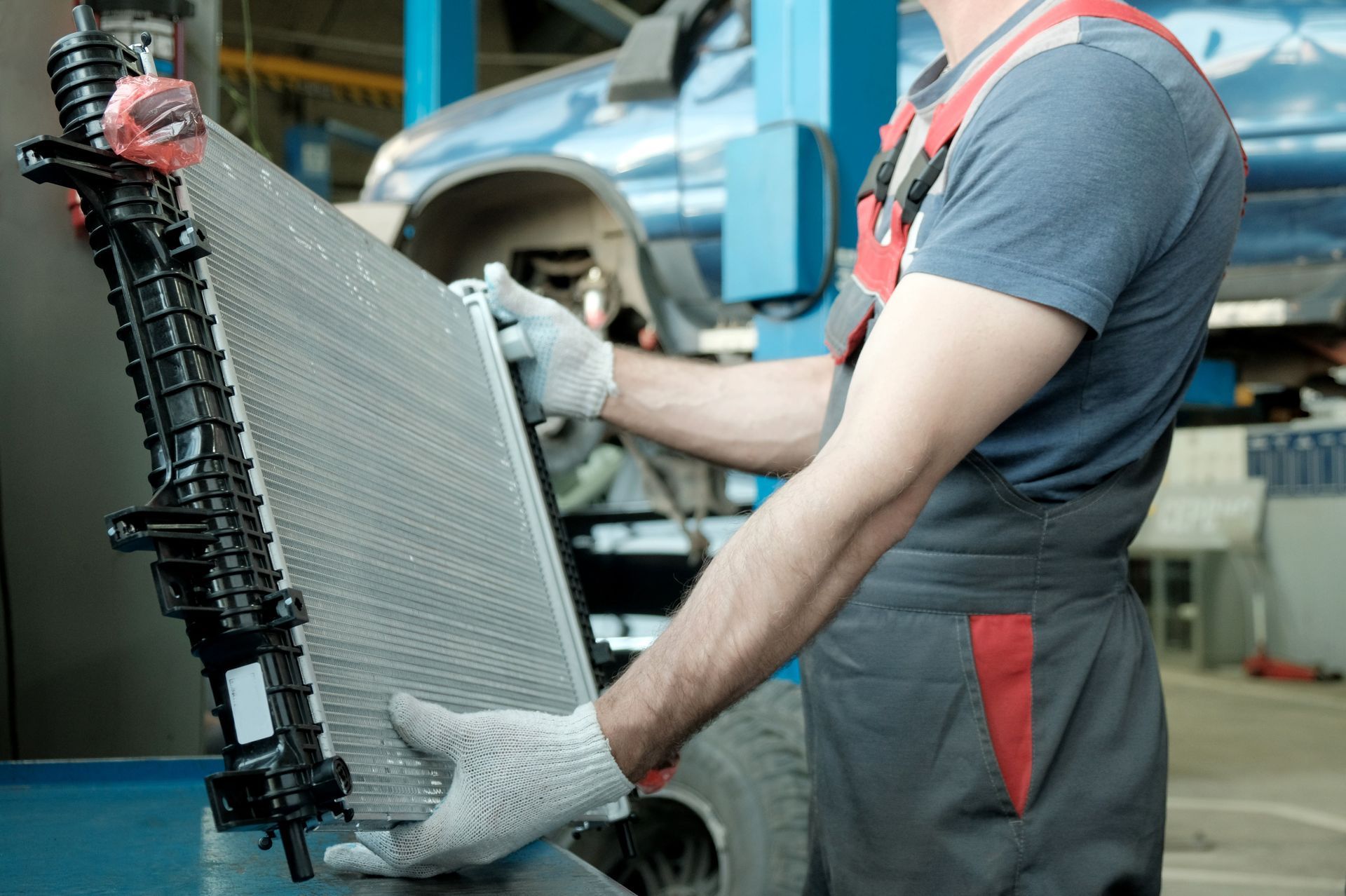
Tank repair starts with a pressure test and full inspection to confirm the leak source and assess damage depth. If the tank can be repaired, the technician seals or welds the affected area using methods suited to the tank material. Plastic tanks require different bonding compounds than metal, and an improperly applied fix will fail under operating pressure quickly.
Once the repair is done, the system is pressure-tested again to confirm it holds before the vehicle leaves the shop. Rex Radiator backs all new parts with a one-year warranty. Our Chicago
radiator tank repair service is available for automotive, truck, and industrial systems, with same-day turnaround for most standard applications and priority scheduling for commercial fleet accounts.
Frequently Asked Questions
Can a Cracked Radiator Tank Be Repaired, or Does It Need Replacing?
Many cracked tanks can be repaired, especially when the damage is localized and the surrounding material is still structurally sound. Brittle plastic that has aged significantly or metal with heavy corrosion may need full replacement instead. Rex Radiator evaluates each tank directly and recommends repair only when the results will be durable and long-lasting.
How Much Does Radiator Tank Repair Cost in Chicago, IL?
The cost depends on the tank material, the extent of the damage, and whether the repair involves welding, bonding, or part replacement. Rex Radiator provides clear estimates before any work begins. Call 773-843-9886 or visit our contact page to discuss your vehicle's situation.
Is Tank Repair Different for Trucks vs. Passenger Vehicles?
Yes. Truck and industrial radiator tanks are typically metal and require welding expertise along with heavier-duty repair methods. Passenger vehicle tanks are usually plastic and need different bonding materials and pressure testing procedures. Rex Radiator's Chicago shop at 1440 W. 38th St. handles both with the same precision.